When the injury outlasts the game
The usual advice after a sprain or a hard training week is to rest and ease back in. Sometimes that works. Sometimes the knee still complains on the second mile, the shoulder still catches when you throw, or the back tightens after every game. Weeks later you are moving around the injury instead of through your sport.
A professional contract is not the threshold. Recreational leagues, gym sessions, and weekend miles produce the same kind of leftover pain, because the joint still took the load.
What lingering sports pain often means
Repeated running, cutting, and contact ask the same joints to absorb load again. A changed stride, swing, or jump is the body guarding a spot that has not caught up. Continuing on a limp tends to recruit the next injury.
The point of being seen is getting back to the activity, and the plan has to change as training comes back. Extra tools already offered in the clinics are added only when the exam supports them. Laser treatment stays at Fuqua.
Signs a sports injury needs a look
Rest is reasonable for a mild ache that fades. These signs mean the injury is still running the activity.
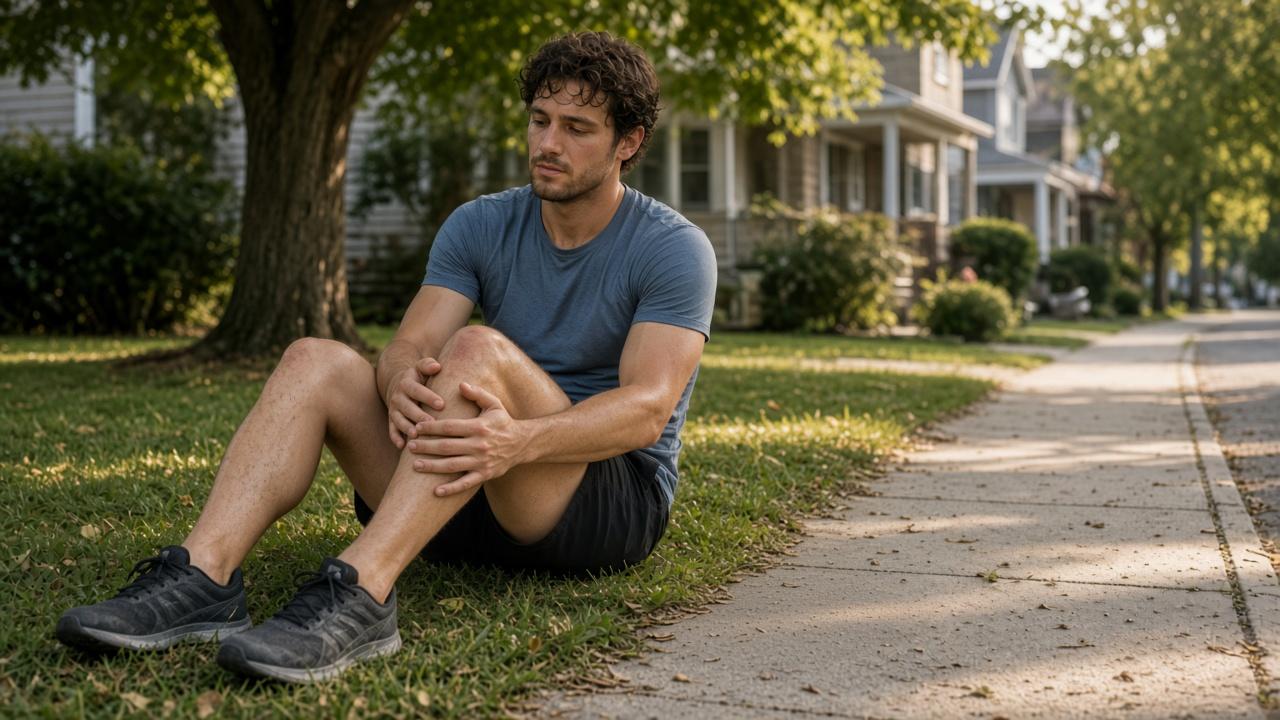
- The second mile, or the landing, is when the knee, ankle, or hip complains
- Throwing, a racquet, or a press lights up the shoulder or elbow
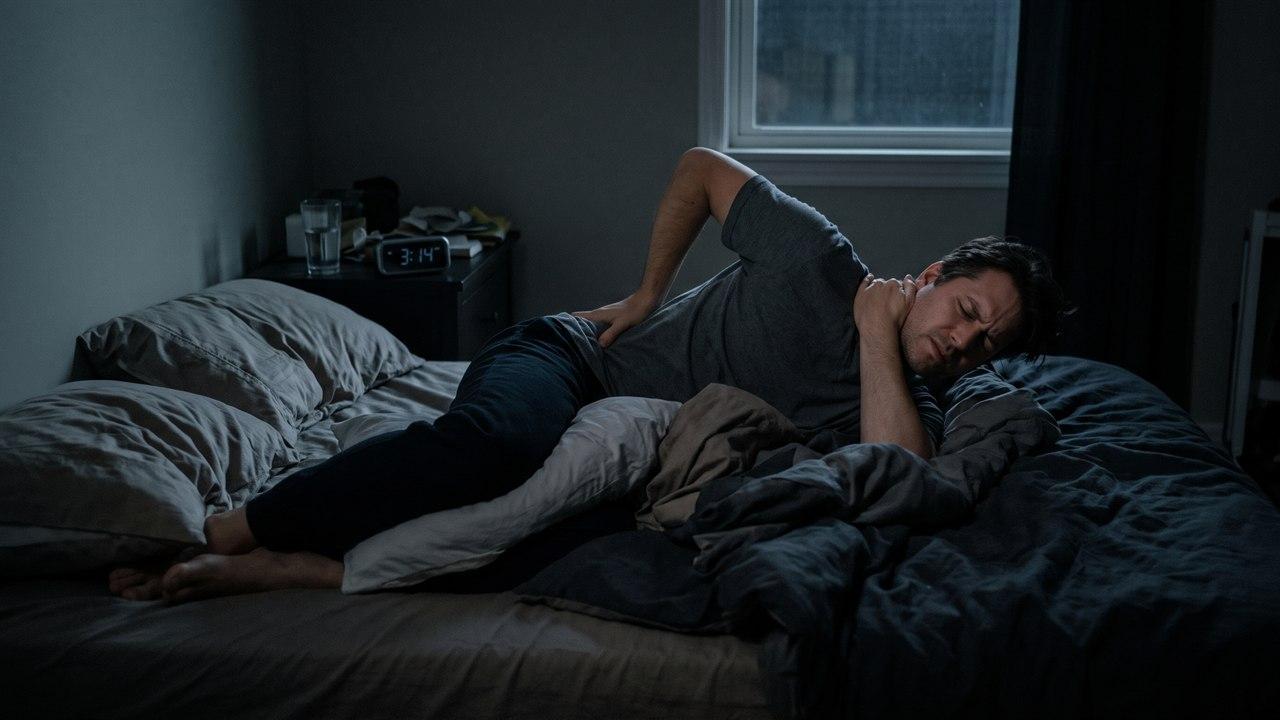
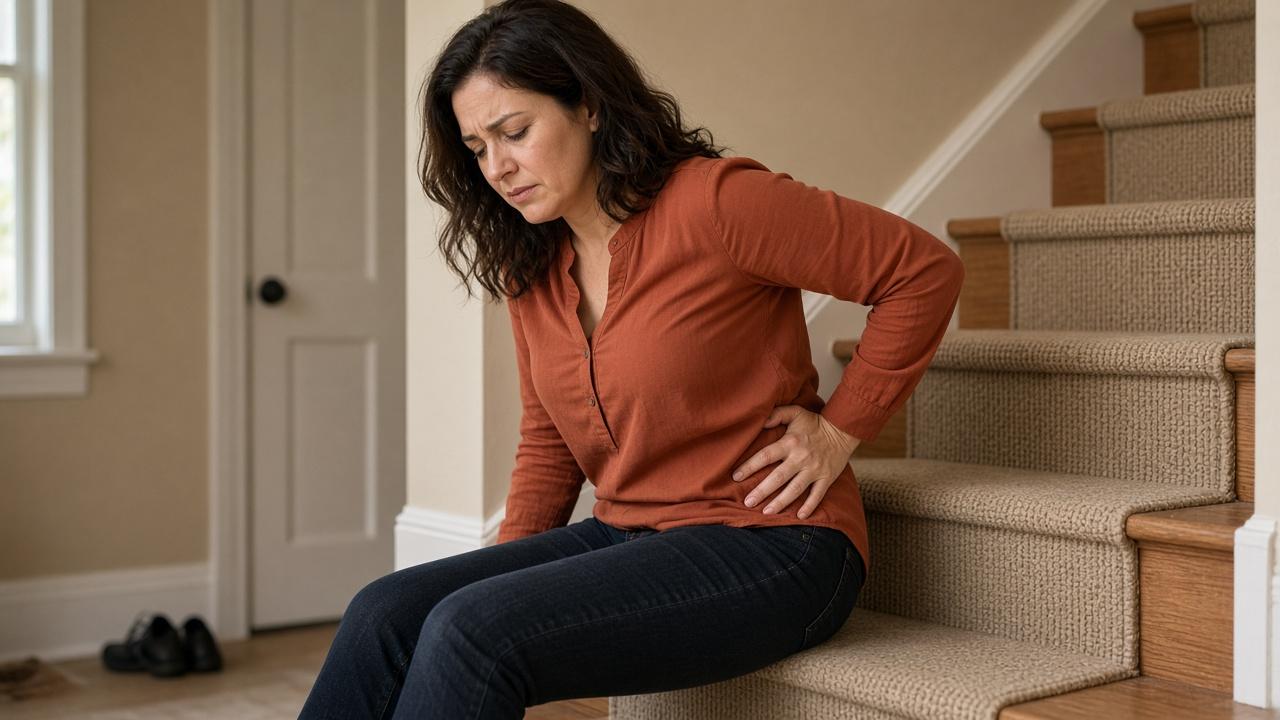
- Contact or a heavy training week leaves the back or neck braced
- Practice is still being edited around a sprain that should have faded
- Your stride, swing, or jump has a new hitch in it
- The calendar changes and the same spot starts the season again
How a sports injury visit is paced
The first job is the movement you have started avoiding. Under that is the joint or muscle that has to accept training load again.
When practice resumes, the visits are about durability: motion, exercise, and catching a small flare before it ends the season.
- An exam of the movement you can no longer trust
- A decision about what to pause, based on the exam
- Care aimed at returning to the activity
- Follow-up as training load comes back
When to call
Stop the drill that brings a sharp catch, swelling, or a limp, and call Dashwood, Fuqua, or Cypress with the activity and what you can no longer do. The clinics arrange that visit by phone.
Go to an emergency room for a suspected fracture, a joint that will not bear weight, a head injury, or sudden weakness. The clinic visit is for the injury that is lingering, not for an emergency.
Where to call
The clinic visit for this problem is on the Sports Injuries page. Phone the clinic nearest you. Visits are by phone.
Every public page is on the sitemap.