
When the pain shows up after the landing
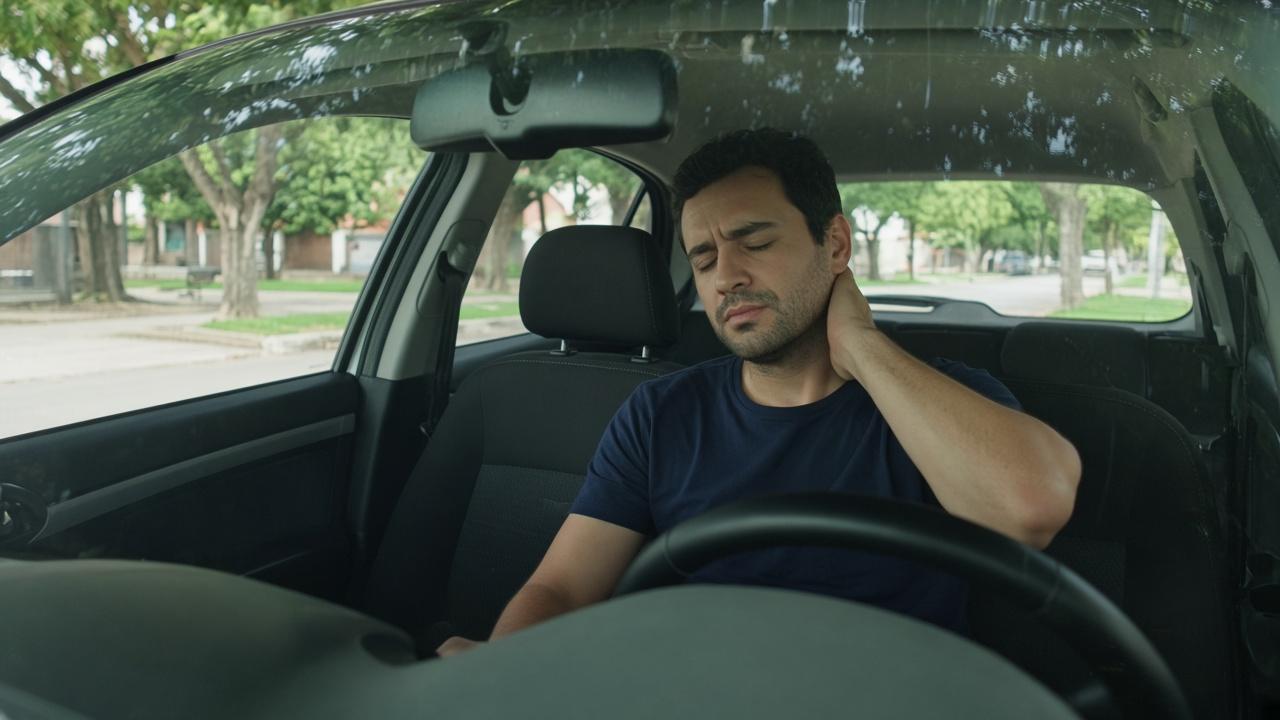
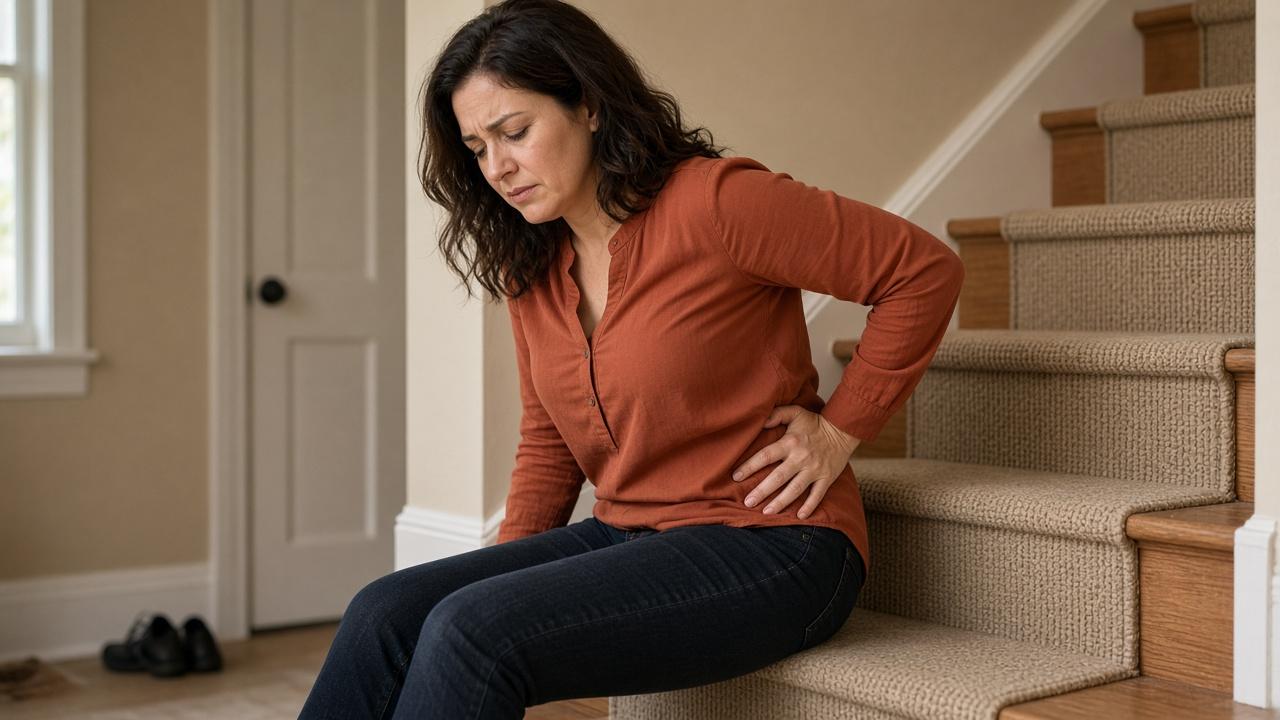
A slip on a stair, a wet floor, or a curb is over in a second. You catch yourself, you stand up, and people ask if you are all right. Many Houston callers say yes in that moment. Then the next morning the hip will not take weight the same way, the wrist that braced the fall aches when they grip a mug, or the neck feels jammed from the jolt on the way down.
That delay is the part that confuses people. The bruise, if there is one, is easy to point at. The joint that met the ground, or the neck that snapped as you went down, is what still runs the day after the floor is dry.
What lingering pain after a fall often means
The body takes the hit in the place that met the ground, and in the place that tried to save you. A wrist or shoulder that shot out to catch the floor is a different problem from a hip that absorbed the landing. A neck that whipped as you fell is another. Naming which of those is limiting you is more useful than calling the whole event a fall.
This guide is about that pain. It is not about whose floor it was, and it is not a claim. Fault and coverage belong with the people who handle those questions. The clinic visit is an exam of the landing and of the movement you no longer trust.
Signs the landing is still in charge
You do not need a dramatic injury photo. One of these, if it started with the fall, is a reason to be examined.
- The hip or the knee complains when that leg takes your weight
- The wrist, elbow, or shoulder that caught you still hurts to use
- The neck or the low back felt the jolt and has not settled
- A stair, a curb, or a wet floor is now a movement you avoid
- The scene felt fine and the next morning did not
- Sleep or getting out of a chair has changed since you went down
What a fall visit focuses on
Bring the sequence: where you were, how you came down, which part hit, and which ordinary movement you have stopped doing. That story is the start of the exam, not a guess from a generic fall checklist.
If the findings fit this kind of office, later visits work on that joint or that stretch of the spine. A wrist that braced you is not treated like a hip that took the floor.
- A history of the landing, including when the pain first showed up
- An exam of the part that hit and the part that tried to catch you
- A clear word on whether the injury belongs in a chiropractic visit
- A plan that changes as walking, reaching, or sleep gets easier
When to call, and when to skip the clinic line
Call Dashwood, Fuqua, or Cypress when pain after a slip or fall is limiting walking, gripping, turning, or sleep. Say that you fell, what you landed on, and what you cannot do now. There is no online scheduling.
Go to an emergency room for a head strike, a bone that looks out of place, a leg that will not take weight, chest pain, trouble breathing, or sudden weakness. Those are not office visits.
Where to call
The clinic visit for this problem is on the Slip and Fall page. Phone the clinic nearest you. Visits are by phone.
Every public page is on the sitemap.