
When the night is the problem
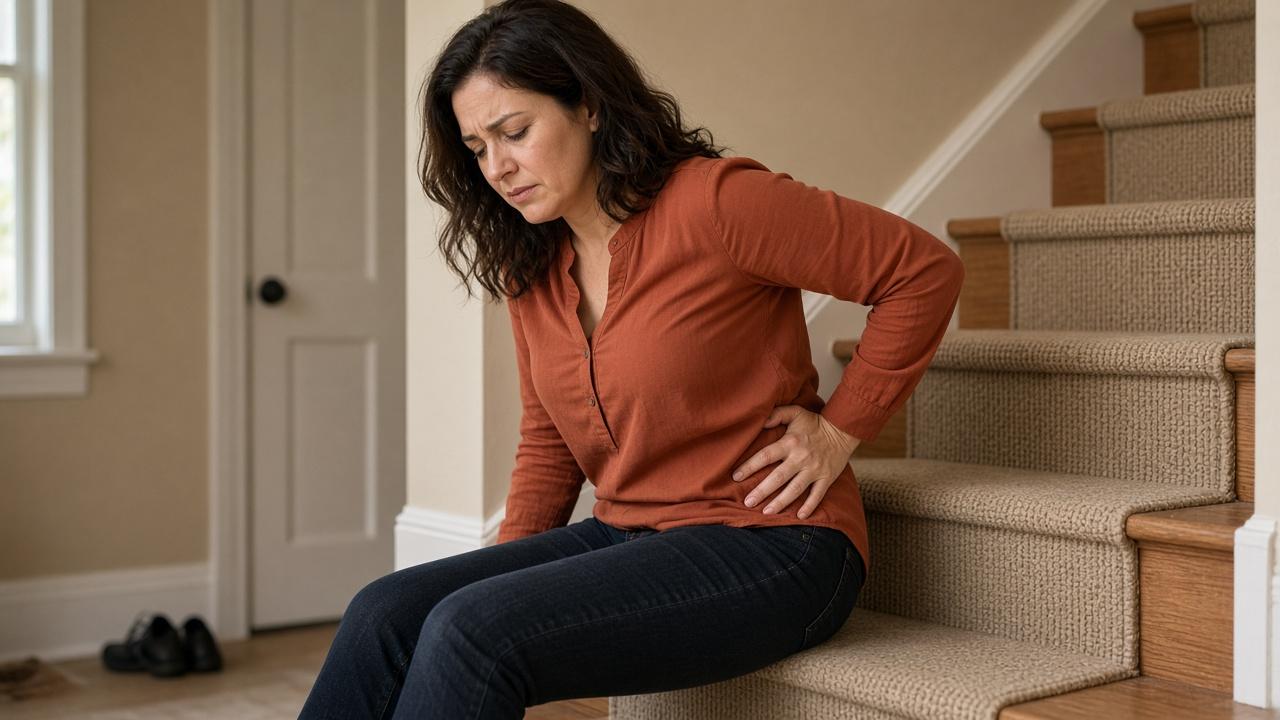
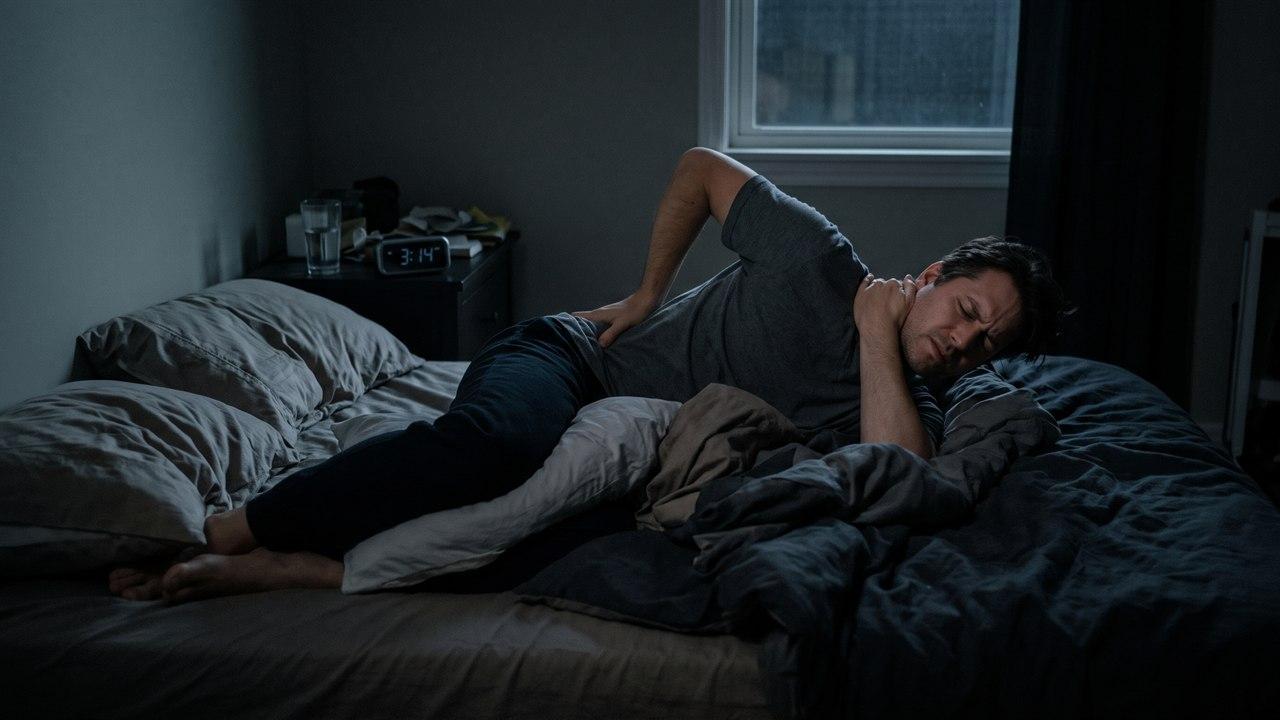
The day can look ordinary. You sit, you drive, you get through dinner. Then the lights go out and the same spot will not settle. One side lasts a few minutes. The other side is worse. A pillow under the knees helps until it does not. Turning over is the moment the low back or the neck announces itself again.
People often call this trouble sleeping. The more useful detail is which part of you keeps a position from lasting, and whether the pain is what wakes you or what is already there when you wake.
What a night like this usually feels like
It is rarely one sharp moment. It is a search. You start on your back, then your side, then halfway between the two because neither one holds. The low back may grab when you roll. The neck may stiffen when the pillow shifts. Some people fall asleep and wake near the same hour with the same spot already tight.
A flat pillow or a mattress that sinks can be part of the story. They are not the whole story when that spot was already building through the evening, or when the morning still carries the position you finally gave up on.
Details worth noticing
You do not need every item. The ones that match your night are the ones worth remembering in the morning.
- One side is usable for a few minutes, then you have to roll
- Turning over is what wakes you, more than noise or needing the bathroom
- The low back grabs during the roll, or it aches once you are still
- Shift the pillow and the neck stiffness, or the head pain, follows
- You wake near the same hour with the same spot already tight
- Standing up eases it, or standing up is when it is worst
How the next day carries the night
A short night changes the morning even when the ache quiets once you are on your feet. Putting on shoes, reaching for a shirt, or the first miles of a drive can feel like a continuation of the position you held at 3 a.m. Other people find the day is fine and the problem only returns when they lie down again.
Those are two different nights. One leaves a trace after you are up. The other waits for the bed. Saying which one you have is more useful than a single word like insomnia, or a number for how bad it felt.
When the night is more than a sore spot
A position that will not last, and a back or neck that protests when you turn, is a pattern people live with for weeks. The useful questions are how you move, what sets it off, and whether the pain stays in one spot or travels into an arm or a leg.
Get emergency care the same night for sudden weakness, new numbness in an arm or a leg, loss of bowel or bladder control, fever with the pain, chest pain, or trouble breathing. Those signs should not wait until morning.
Where to call
The clinic visit for this problem is on the Neck & Back Pain page. Phone the clinic nearest you. Visits are by phone.
Every public page is on the sitemap.