
When the workday is what sets the back off
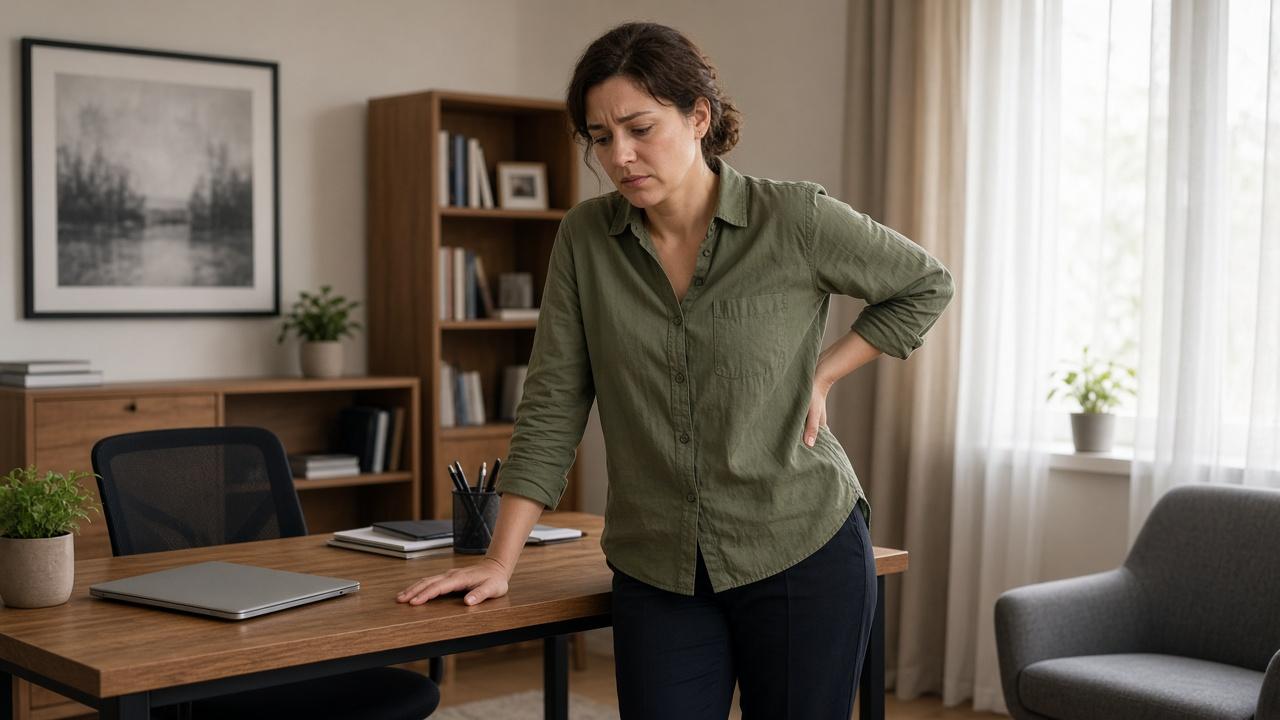
A lot of back pain in Houston starts on the job and gets blamed on the weekend. You lift a box, climb out of a truck, or stand through a long shift, and the low back grabs. Or nothing dramatic happens at all. The same bend, the same reach, the same chair, until standing up at the end of the day is the hard part.
Both patterns are work injuries. One is a sudden strain. The other is repetition. They feel different at home, and they need an exam that asks which one you actually have.
What work-related back pain often means
Workplace injuries often involve muscles, ligaments, and joints. A single awkward lift can leave the low back unwilling to bend. Months of the same task can do the same thing more slowly, with stiffness that eases on days off and returns with the next shift.
Say that the pain follows the job so the note matches what happened. The conversation is still about the movement that hurts, and about not sending you back to that movement before the back can tolerate it.
Signs the back pain is tied to the job
These are the patterns people describe when they call about work. Any one of them is enough to schedule an exam.
- One lift, and the low back has not trusted a bend since
- The last hour of the shift is when standing up gets hard
- Saturday is manageable and Monday morning is not
- Getting out of the truck, or the chair, has become a project
- The first week off did not finish the problem
- Sleep or the walk to the car has started to change
What a work injury visit looks like
Be ready to point to the spot, name the task that lights it up, and say whether it was one event or the same task for months.
After the sharp part calms, the useful question is how you lift, sit, and get through a shift without the same grab on the next one.
- A history of the task or the incident that started the pain
- An exam of how the back moves, and what it will not do
- Notes that the injury happened at work, if that is the case
- A plan that changes as you get back to the job
When to call
Call Dashwood, Fuqua, or Cypress when back pain is limiting a shift, a commute, or sleep. Say that it happened at work, and say whether it was one event or a slow build. There is no online scheduling.
Go to an emergency room for back pain with sudden weakness, loss of bowel or bladder control, fever, chest pain, or a major fall. Those are not clinic visits.
Where to call
The clinic visit for this problem is on the Work Injuries page. Phone the clinic nearest you. Visits are by phone.
Every public page is on the sitemap.