01
Experience
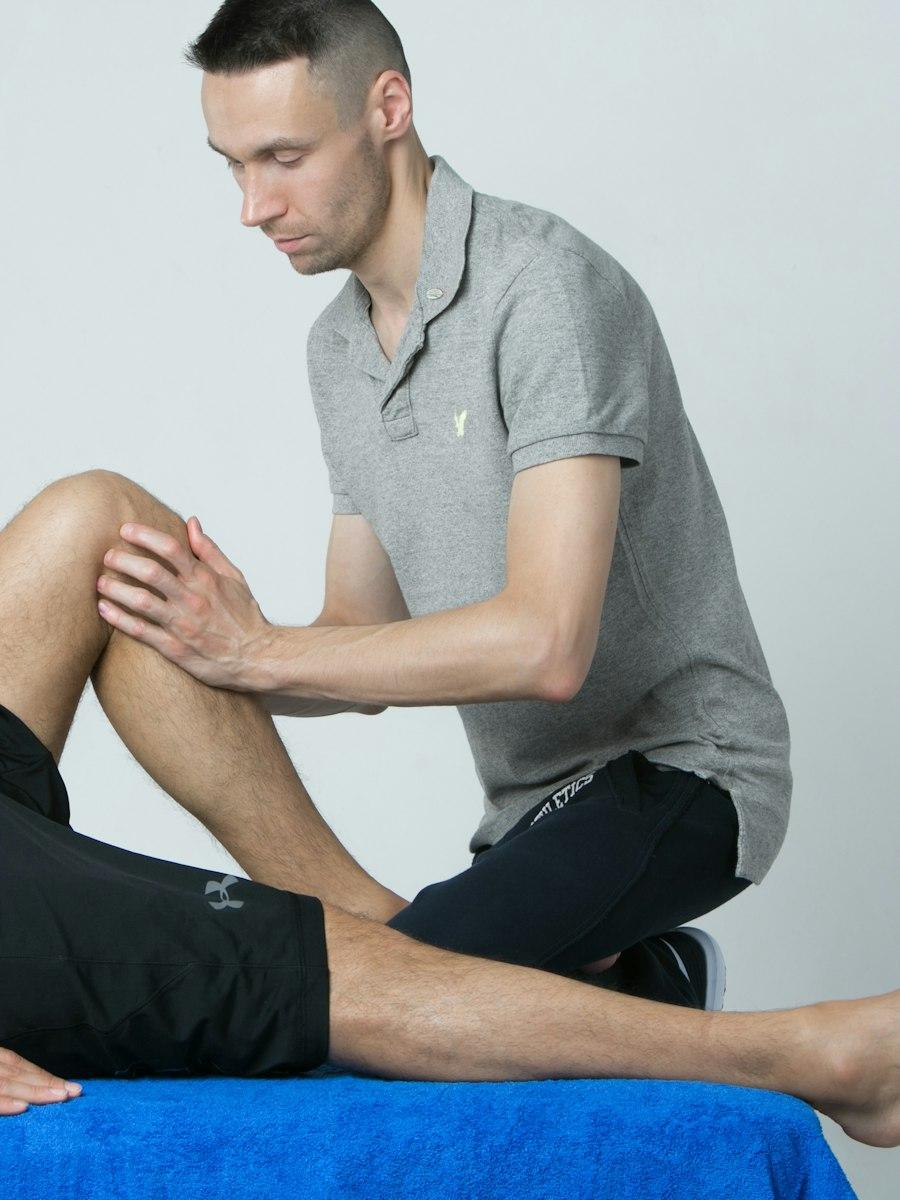
The first visit focuses on the muscle that is seizing: where it starts, what sets it off, and how much it is limiting ordinary movement.

Chiropractic care
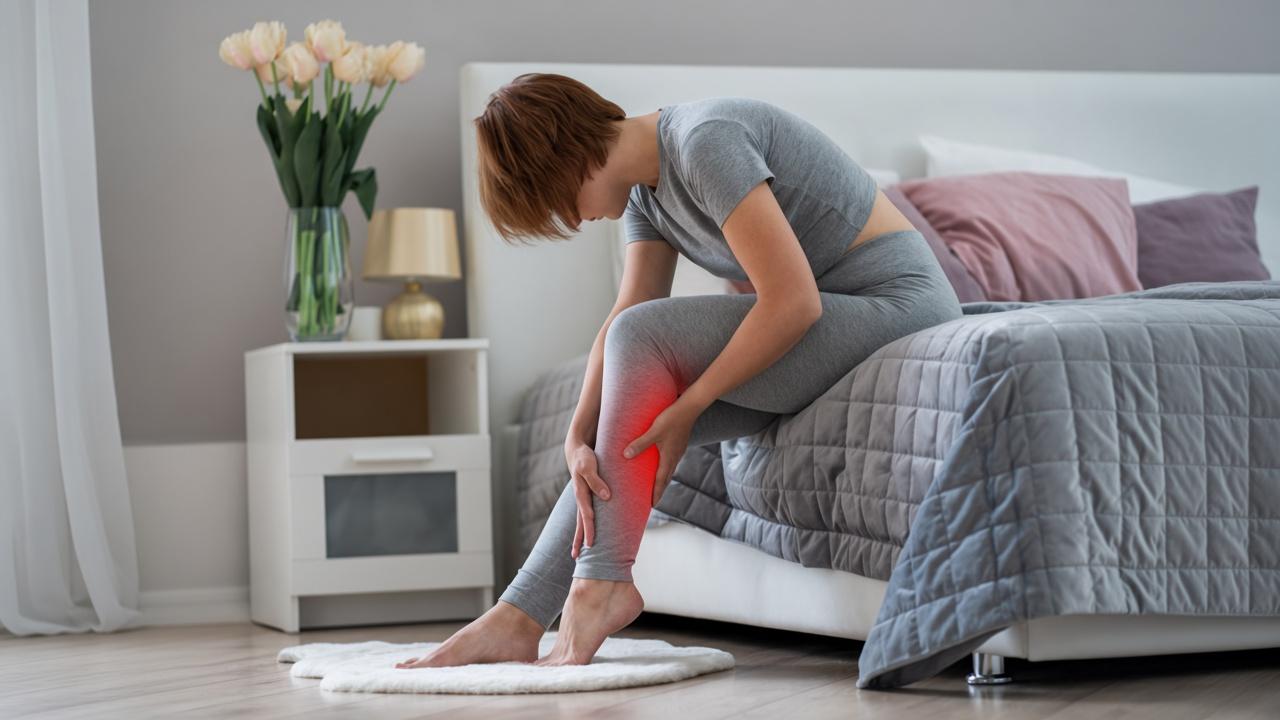
A spasm that keeps grabbing the calf, back, or neck is more than a brief cramp when it starts running your day.
How we help
Persistent muscle spasms may significantly impact daily functioning and are often linked to underlying neuromuscular imbalances. Chiropractic care can help address these issues and reduce symptoms.
Contact any of our clinics to arrange a consultation.
A spasm that keeps returning can make it hard to stand, turn, or sleep. It is often tied to a joint or nerve irritation that leaves the muscle on guard, not only to a one-time cramp from fatigue.
Care looks for that underlying problem. When the exam supports it, a plan can also include therapies the clinics already use, such as EMS, ultrasound, massage, or exercise.
Common signs
A muscle that tightens on its own and will not fully let go
Back or neck spasms that stop you mid-movement
Calf or hamstring cramps that keep returning
Spasms that wake you, or that follow a long day in one position
Tightness that leaves you moving in a guarded posture
Pain that eases with rest and then seizes again
A visit with us
Every plan starts with an exam. Phone Dashwood, Fuqua, or Cypress. MLS laser therapy is available at Fuqua, and the health benefits of care go beyond the spot that hurts.
For a plain explanation, read Muscle spasms that will not settle.
Every public page is on the sitemap.
01
The first visit focuses on the muscle that is seizing: where it starts, what sets it off, and how much it is limiting ordinary movement.
02
If a joint or movement pattern is keeping the muscle in spasm, corrective care addresses that source instead of only working on the tight spot.
03
Later visits help the muscle stay quiet through work and sleep, with exercise and other in-clinic therapies when they belong in the plan.
Questions
A cramp is often short. A spasm that keeps returning, or that locks part of the back or neck, deserves an exam. Both can hurt. The pattern tells us more than the name.
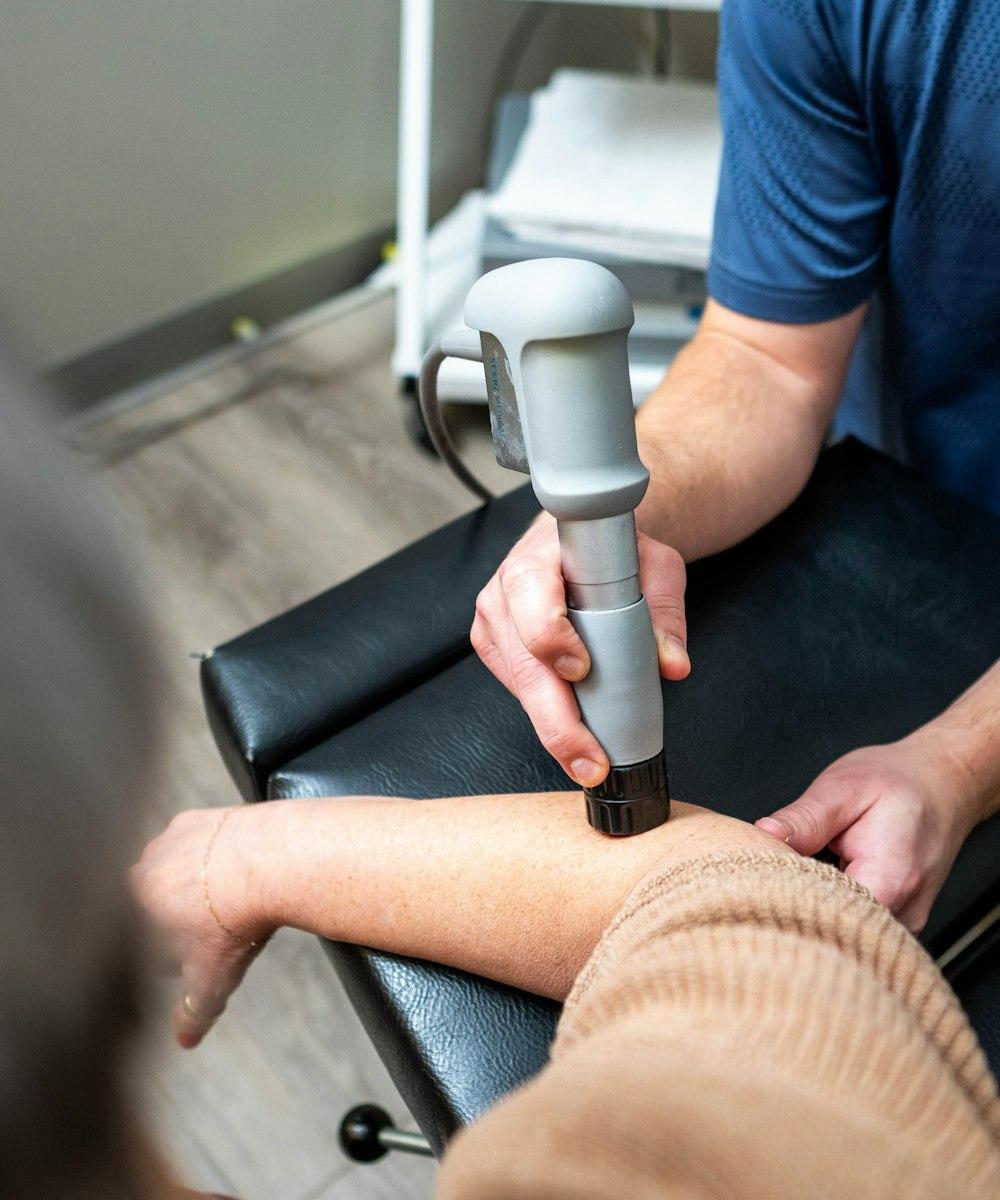
Chiropractic care is the base of the visit. EMS, ultrasound, massage, and exercise are available when they fit. Not every spasm needs every therapy. MLS laser therapy can be part of a plan at Fuqua, and shockwave at Dashwood or Humble.
Holding one posture, a new workout, or a joint that is not moving well can all leave a muscle ready to spasm. The exam sorts out which of those is actually happening.
Call Dashwood, Fuqua, Cypress, or Humble. There is no online scheduling. Describe which muscle is seizing and how long it has been going on.
More care

We do not offer online scheduling. Phone the clinic nearest you.